Gardeners near Morden Station for front gardens
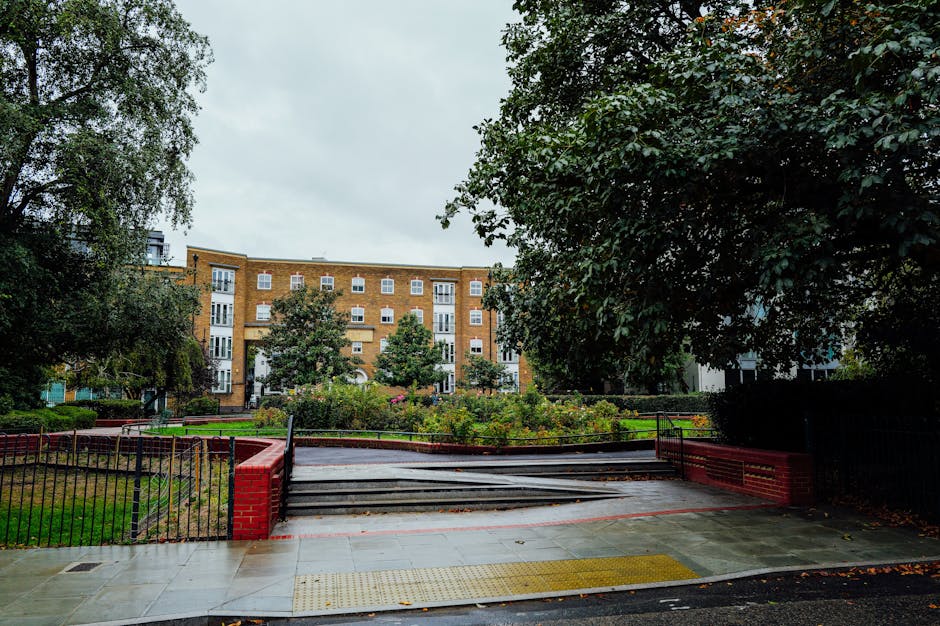
If your front garden is the first thing people see, it quietly does a lot of work. It frames the house, softens the hard edges of the pavement, and sets the tone before anyone even reaches the door. For homeowners looking for gardeners near Morden Station for front gardens, the goal is usually simple: create a space that looks tidy, feels welcoming, and is easy to maintain without turning every weekend into a gardening shift.
Front gardens near Morden Station often need a slightly different approach from bigger back gardens. Space can be tight, foot traffic is real, visibility matters, and there may be practical concerns like drainage, boundary lines, neighbour sightlines, or keeping the entrance clear for bins, bikes, and deliveries. Done well, a front garden can make a house feel cared for; done badly, it can look tired very quickly. In this guide, we'll walk through what matters, how front garden work usually works, the common mistakes to avoid, and how to judge what kind of help is actually worth paying for.
- Why front garden care matters in the Morden Station area
- How the work is usually planned and carried out
- Key benefits and practical advantages
- Who this is for and when it makes sense
- Step-by-step guidance
- Expert tips for better results
- Common mistakes to avoid
- Tools, resources and recommendations
- Law, compliance, standards and best practice
- Options, methods or comparison table
- Case study or real-world example
- Practical checklist
- Conclusion
- Frequently asked questions
Why Gardeners near Morden Station for front gardens Matters
Front gardens are judged in seconds. That sounds harsh, but it is true. A tidy path, a healthy lawn edge, clean planting beds, and a hedge trimmed to the right height can make a property feel instantly more cared for. Near Morden Station, where many homes are seen quickly from the street, that first impression tends to matter even more.
There's also the everyday side of it. A front garden has to cope with more practical pressure than people often expect: repeated access, dust from the road, scattered leaves, winter damp, and the occasional trampling by delivery drivers who do not seem to notice the lavender, somehow. A good gardener understands that front garden work is about balance, not perfection for its own sake.
That balance is especially important if you want a space that looks attractive without becoming high maintenance. A front garden can be designed around restraint: structured planting, neat edges, a clear route to the door, and materials that hold up well through the seasons. If you get that mix right, the garden starts helping you rather than giving you jobs.
Practical takeaway: front garden work is not only about appearance. It is about access, safety, maintenance time, and making sure the space still feels calm on a wet Tuesday morning when you're hurrying out the door.
How Gardeners near Morden Station for front gardens Works
In most cases, the process begins with a look at what the garden is doing now and what you want it to do better. Some front gardens need a simple refresh. Others need a deeper rethink, especially if the current layout is awkward, overgrown, or difficult to keep neat.
A professional approach usually follows a few sensible stages. First comes the assessment. Then the gardener looks at access, plant health, soil condition, and the amount of ongoing upkeep the owner is comfortable with. From there, a plan is made around practical priorities. You may need hedge trimming, lawn mowing, border reshaping, selective planting, light landscaping, or a more complete tidy-up through garden clearance.
For recurring care, many homeowners choose a regular garden maintenance schedule so the front garden does not drift into a "just about manageable" state. That matters more than it sounds. Small jobs, left for months, tend to become the expensive ones. A half-hour trim now can save a full-day rescue later. Life has a funny way of doing that.
Depending on the site, the work may also involve path edging, shrub reduction, weeding, mulch refresh, soil improvement, and more considered plant selection. Where structure is needed, landscaping or landscape gardening may be recommended to improve drainage, shape, and visual flow.
Good gardeners won't rush to cut everything back just because it looks untidy. They'll work out what should stay, what should go, and what can be improved with a lighter touch. That distinction matters.
Key Benefits and Practical Advantages
Front garden improvements can be modest and still make a real difference. You do not always need a dramatic redesign. Often, the biggest gains come from a handful of well-chosen changes.
- Better kerb appeal: A neat, well-planted frontage improves the look of the whole property.
- Easier everyday upkeep: Simple layouts and sensible planting reduce time spent cutting back, weeding, and tidying.
- Cleaner access: A clear route to the front door makes the property feel more open and usable.
- Healthier plants: Matching plants to light, soil, and exposure usually leads to better long-term results.
- Better safety and visibility: Overgrown hedges and awkward corners can create blind spots or block paths.
- More consistent presentation: Regular care helps a home look maintained all year, not just after a one-off tidy-up.
There's also a subtle psychological benefit. A good front garden changes how you feel when you arrive home. You notice it in the small things: a trimmed edge after rain, a clipped hedge catching late afternoon light, or a clean path that doesn't make you sigh before you even get to the door. It sounds minor, but it adds up.
For many people, using lawn mowing alongside light planting and border work is enough to keep the frontage looking sharp. For others, the best result comes from combining structure and maintenance, especially where the space is compact and every metre has to work hard.
Who This Is For and When It Makes Sense
This kind of service makes sense for a wide range of homeowners. Some people want a smart-looking front garden because they are planning to sell or rent. Others simply want to stop the entrance from becoming overgrown. And some just want a bit of help because time is thin and the front garden keeps sliding to the bottom of the list. Fair enough, honestly.
You may benefit from professional help if:
- your front garden is visible from the street and needs to look presentable regularly
- hedges, shrubs, or climbers are getting out of hand
- the garden layout feels cluttered or awkward to walk through
- you want lower-maintenance planting that still looks good
- the path, driveway edge, or entrance area needs tidying
- you have been doing small fixes yourself but the space now needs a proper reset
Front garden work is especially sensible if you have had repeated issues with weeds, muddy patches, poor drainage, or a planting scheme that looked lovely in summer and a bit defeated by November. Happens more often than people admit. The answer is not always more effort; sometimes it is a better plan.
If you are comparing service providers, it helps to look beyond the headline offer. Review the company's services overview, then check whether the work you need is clearly covered. A front garden may need more than just mowing. It may need structural thinking, seasonal maintenance, or selective reshaping.
Step-by-Step Guidance
If you want your front garden to improve without the whole project becoming overwhelming, a step-by-step approach works best. Here is the practical version.
- Start with a quick visual audit. Stand on the pavement and look at the garden as a visitor would. What looks messy, tired, or too busy?
- Decide the main goal. Is it neatness, privacy, lower maintenance, better access, or a complete refresh?
- Clear the obvious clutter. Remove dead material, broken pots, weeds, and anything blocking walkways.
- Cut back overgrowth carefully. Hedge trimming, shrub reduction, and edging can change the whole feel of the space.
- Check the lawn and borders. If the grass is patchy or the edges have blurred, tidy cutting and redefinition usually help immediately.
- Assess the structure. Are paths usable? Is drainage adequate? Does the layout make sense?
- Choose plants for the site, not the dream. Sun, shade, wind, and soil quality all matter more than Pinterest hopes and dreams.
- Set a maintenance rhythm. Decide what should happen weekly, monthly, and seasonally so the garden does not relapse.
In many front gardens, the best first move is not a big redesign. It is a clear-up, a trim, and a reality check. Once the bones are visible, it becomes much easier to decide whether you need light touch care or a fuller redesign through proper front-of-house landscaping.
One useful thing to ask yourself: what do you want the garden to do in winter? If the answer is "still look decent," then evergreen structure, clean lines, and tough planting become much more valuable than flashy summer-only displays.
Expert Tips for Better Results
Front gardens reward restraint. That may sound a bit boring, but it is usually true. Too many plant types, too many shapes, too many colours, and the garden starts to look busy in a way that ages quickly.
Keep the design legible
From the street, the eye should know where to land first. A simple path, one or two focal points, and neat planting layers are often enough. Strong structure beats clutter almost every time.
Use height carefully
People often want privacy at the front, but too much height can block light or make a home feel closed in. A hedge can work beautifully, but it needs proper control. That is where hedge trimming becomes more than cosmetic. It shapes the character of the whole frontage.
Think about what happens in bad weather
Rain, mud, leaf drop, and wind exposure can change a front garden quickly. Choose finishes and plants that still look respectable after a wet week. To be fair, this is where many good-looking garden plans quietly fail.
Prioritise repeatable tasks
Whatever requires the least mental energy is usually what gets done. If mowing, edging, and light pruning are easy to repeat, the garden will stay in better shape. That is why routine garden maintenance often gives better value than occasional dramatic tidy-ups.
Leave some breathing room
Plants need space to grow into the design. If everything is packed in tightly from day one, you will be cutting back much sooner than you expected. And yes, the plants will all look at their own version of "too cramped" before long.
Small, consistent decisions usually beat one huge burst of enthusiasm. A front garden is a long game.
Common Mistakes to Avoid
Most front garden problems are not caused by one disastrous decision. They build up slowly. That is actually useful, because it means they can be fixed steadily too.
- Choosing plants only for looks: A plant that is wrong for the light or soil will become a job, not a feature.
- Overcrowding borders: Tight planting can look full for a season and then become a tangle.
- Ignoring the path or entrance: The most visible part of the garden is often the most neglected.
- Letting hedges grow too high: The space can start to feel smaller, darker, and less welcoming.
- Using too many materials: Different paving, gravel, pots, and ornaments can make the frontage feel disjointed.
- Skipping maintenance after the first tidy-up: A lovely front garden can unravel surprisingly fast if nothing is kept in check.
There is also a practical mistake people make when hiring help: they ask for "just a quick tidy" when what they really need is a plan. If the front garden has underlying issues, the tidy-up will be temporary. A good gardener should be able to explain what is surface-level and what is structural.
If tree branches are shading the front or dropping debris onto the lawn and path, it may also make sense to consider tree lopping and removal, though that should always be assessed carefully and handled with the right precautions.
Tools, Resources and Recommendations
You do not need a shed full of specialist kit to keep a front garden in decent shape, but the right tools do make the job easier. For homeowners, the basics usually include a good mower, secateurs, shears, a weed tool, edging spade, rake, gloves, and a hose or watering can depending on the planting.
For more involved work, professionals may use compact cutting tools, pruning equipment, clearance gear, and safer lifting or waste handling methods. If the frontage includes timber features, raised edges, or a seating or display area, you might also look into decking services where appropriate. Not every front garden needs decking, of course, but in some layouts it can help create a clean transition between house and garden.
Some useful recommendations when choosing help or planning a project:
- ask for a clear scope of work before the first visit
- make sure the gardener understands the difference between a refresh and a redesign
- check whether waste removal and cleanup are included
- ask how the garden will be maintained after the initial work
- request practical planting ideas rather than vague "low maintenance" promises
It also helps to review a provider's policy pages if you want reassurance about how they operate. For example, you can look at insurance and safety, health and safety policy, and recycling and sustainability to understand how waste, safety, and responsible working are handled.
That sort of detail may seem boring until you need it. Then it becomes very interesting, very quickly.
Law, Compliance, Standards, or Best Practice
Front garden work in the UK does not usually involve complicated formal compliance, but there are still sensible standards to keep in mind. Good practice matters because it protects people, neighbours, and property. It also keeps the work orderly and avoids preventable problems.
If work involves cutting back hedges, trees, or anything close to boundaries, it is wise to think carefully about ownership, access, nesting wildlife, and potential obstruction. A competent gardener should be cautious about heavy pruning and should avoid making assumptions about what can be cut just because it looks untidy.
For front gardens in London, it is also sensible to keep pathways safe and free from trip hazards. Loose slabs, encroaching roots, slick moss, and overgrown plants can all create awkward moments. Nobody wants an avoidable stumble at the front step. That much is just common sense.
Best practice also includes:
- disposing of green waste responsibly
- protecting adjacent property and surfaces during work
- using appropriate tools for the task
- working within agreed access arrangements
- being clear about what the quote includes and excludes
If you are comparing providers, it is reasonable to ask about their process, payment arrangements, and terms. The pages on payment and security and terms and conditions can help set expectations before work begins.
Options, Methods, or Comparison Table
Not every front garden needs the same type of help. Some benefit from routine care, others from one-off reshaping, and some from a more complete design-and-build approach. Here is a simple comparison to help you think it through.
| Approach | Best for | Typical strengths | Watch-outs |
|---|---|---|---|
| Regular maintenance | Front gardens that are already in decent shape | Keeps things tidy, predictable, and lower stress | Can feel too light if the space has deeper issues |
| One-off tidy-up | Overgrown or neglected front gardens | Fast improvement, removes clutter, restores order | Without follow-up care, the garden may slide back |
| Targeted landscaping | Awkward layouts, poor drainage, weak structure | Solves practical problems and improves flow | Needs proper planning and usually a bigger budget |
| Full redesign | Front gardens that no longer suit the property or lifestyle | Creates a cleaner, more cohesive long-term result | More time, more decisions, more disruption during works |
A useful rule of thumb: if the garden is functional but messy, maintenance may be enough. If it is functional but awkward, a redesign might be smarter. If it is both messy and awkward, well, the case starts to build itself.
Case Study or Real-World Example
Imagine a typical front garden near Morden Station: a narrow strip with a small lawn, a hedge that has slowly crept outward, and borders filled with a mix of plants planted years apart. The entrance is still usable, but it feels narrow, and the whole place has a slightly tired look by late summer.
The first step is not to bulldoze everything. A better plan would usually include hedge trimming, cutting back congested growth, removing dead material, reshaping the edge of the lawn, and deciding which plants still earn their place. If there is a lot of debris or self-seeded clutter, a more thorough garden clearance may be needed before the garden can breathe again.
After that, the space can be simplified. Maybe the border becomes cleaner with just a few structured shrubs and a mulch finish. Maybe the lawn area is reduced slightly because it is too small to justify the effort. Maybe the entrance path is made more visible. None of this is flashy. But the result can feel calm, neat, and much easier to live with.
The key thing in these real-world jobs is not the dramatic reveal. It is the day-to-day ease afterwards. When the front garden stops fighting you, that is when you know it is working.
Practical Checklist
Before you book work or start tackling the front garden yourself, use this checklist. It keeps the job grounded and stops you from forgetting the obvious bits.
- Look at the garden from the street and identify the main visual issue.
- Decide whether you need maintenance, clearance, landscaping, or a mix.
- Check access to paths, steps, bins, and the front door.
- Make a note of any overgrown hedges, shrubs, or trees.
- Confirm what should stay, what can be reduced, and what should go.
- Think about year-round appearance, not just summer colour.
- Choose plants and materials that match the space and your upkeep appetite.
- Ask how waste will be handled and whether cleanup is included.
- Decide on a realistic maintenance rhythm after the initial work.
- Review service details, pricing information, and company policies before booking.
If you are still unsure where to begin, start with the smallest visible issue. It builds momentum. One thing fixed properly leads to the next. That's usually how good garden projects happen anyway.
Get a free quote today and see how much you can save.
Conclusion
Hiring or choosing gardeners near Morden Station for front gardens is really about making the front of your home easier to live with, easier to maintain, and better to look at. The best results usually come from practical thinking: clean lines, suitable planting, sensible access, and a maintenance plan that matches real life, not ideal-life-you-from-three-summers-ago.
If your front garden has drifted from "presentable" to "a bit much," you do not need to panic. Start with what the space is trying to tell you. Then decide whether it needs a trim, a reset, or a smarter structure. The right approach will make the whole property feel more settled, and honestly, that feeling matters more than people sometimes admit.
And when a front garden starts doing its job properly, you notice it every time you come home.
Frequently Asked Questions
What do gardeners near Morden Station usually do for front gardens?
They commonly handle tidying, hedge trimming, lawn care, border cleanup, weed removal, planting refreshes, and small landscaping jobs. For more neglected spaces, garden clearance may also be part of the work.
How often should a front garden be maintained?
It depends on the planting and layout, but many front gardens benefit from regular attention rather than occasional big clean-ups. A modest maintenance routine often keeps things looking better for longer.
Is a front garden different from a back garden project?
Yes. Front gardens usually need a stronger focus on kerb appeal, access, neatness, and low maintenance. They are also more visible, so small details tend to matter more.
Can a small front garden still look good without much upkeep?
Absolutely. In fact, small front gardens often work best with simple planting, clear paths, and a restrained design. The trick is choosing plants and materials that suit the space instead of crowding it.
When does garden clearance make sense for a front garden?
It makes sense when the space is overgrown, cluttered, or full of dead growth that is hiding the actual structure of the garden. Clearing it properly can make later maintenance much easier.
What should I ask before booking a gardener?
Ask what is included, whether waste removal is covered, how the quote is structured, and whether the work is a one-off or part of a longer plan. It also helps to check the provider's payment and security information.
Do front garden improvements always need landscaping?
No. Sometimes trimming, mowing, and light planting are enough. Landscaping is usually more relevant when the layout is awkward, drainage is poor, or the space needs structural change.
What are the most common front garden mistakes?
The big ones are overcrowding, choosing the wrong plants, ignoring the path or entrance, and letting hedges grow too large. They are easy mistakes to make, and also easy to underestimate.
Can tree work be part of a front garden service?
Yes, if overhanging branches or larger trees are affecting light, safety, or the overall shape of the frontage. In those cases, tree lopping and removal may be relevant, depending on the site and the work needed.
How do I know whether I need maintenance or a full redesign?
If the garden is basically fine but untidy, maintenance is usually enough. If the layout feels wrong or the planting never seems to work, a redesign or targeted landscaping may be the better option.
Is it worth improving a front garden before selling a home?
It can be, because the front garden contributes to first impressions straight away. Even modest improvements often help a property look more cared for and more welcoming, which is no small thing when people are viewing.
Where can I learn more about the company and its approach?
You can review the company's about us page, check the services overview, or look at practical policy pages such as recycling and sustainability and insurance and safety for added peace of mind.
What is the best first step if my front garden feels overwhelming?
Start by identifying the biggest visible problem from the street, then deal with that first. A hedge that needs cutting, a lawn edge that has disappeared, or a cluttered border can often be the single thing that changes the whole feel of the place.