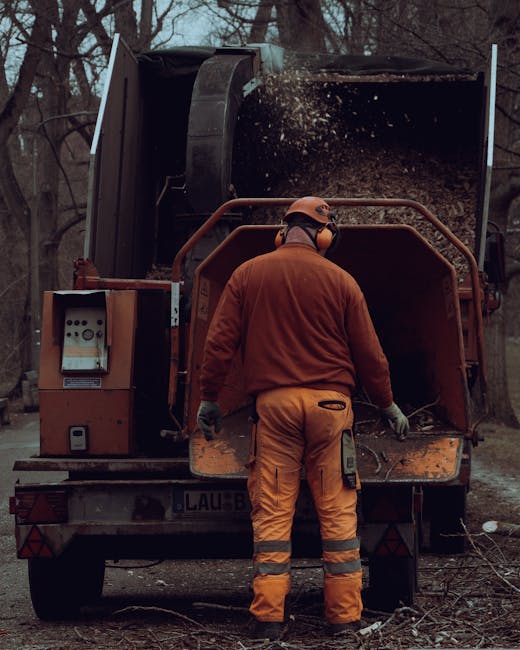
Common access problems for Morden garden clearance jobs

Garden clearance sounds straightforward until the access becomes the real job. Narrow side gates, awkward steps, long shared paths, overgrown front gardens, and nowhere sensible to park can turn a simple tidy-up into a bit of a logistical puzzle. If you are planning Common access problems for Morden garden clearance jobs, this guide walks through the everyday issues that slow work down, how professionals usually handle them, and what you can do to make the whole thing easier. It is written for real homes, real gardens, and the sort of tight spaces you often get around Morden. Nothing dramatic. Just practical, useful advice.
In our experience, most access problems are manageable if they are spotted early. That is the good news. The bad news? A clearance team arriving on a wet morning to find a locked rear gate, fragile paving, and a compost heap blocking the only route is never anyone's favourite start. So let's get into the details before the day becomes one of those days.
Why Common access problems for Morden garden clearance jobs Matters
Access is not just a convenience issue. It affects how quickly a garden can be cleared, how safe the team is while working, what equipment can be used, and how much debris can be moved in one go. If access is poor, more time is spent carrying waste by hand, protecting surfaces, squeezing through tight gaps, and generally working around the layout instead of through it.
That matters for a few reasons. First, it can change the cost and timing of the job. Second, it can increase wear and tear on pathways, fences, doors, and turf. Third, awkward access can create safety risks, especially when the work involves brambles, heavy bags, broken branches, wet soil, or uneven ground. A clearance job in a compact Morden garden can still go smoothly, but only if the access plan matches the reality on site.
There is also a customer-experience angle here. Nobody wants a team dragging muddy waste through the kitchen because the side passage was too narrow for a barrow. Planning ahead avoids the kind of messy, slightly embarrassing moment everyone remembers for the wrong reasons. Truth be told, this is one of those things people only think about once it goes wrong.
If the job is part of a bigger outdoor project, access becomes even more important. For example, if clearance links into landscaping work or sits alongside ongoing garden maintenance, a clear route keeps the whole site moving without repeated disruption.
How Common access problems for Morden garden clearance jobs Works
Garden clearance access problems usually fall into a few familiar categories: physical space, route quality, parking, timing, and site obstacles. The team needs a safe way to get in, work, remove waste, and get out without damaging the property or slowing the job down unnecessarily. Simple enough in theory. In practice, each house behaves a bit differently.
Typical examples include a narrow side gate that barely fits a wheelbarrow, a rear garden only reachable through the house, a shared alley with bins and bikes blocking the way, or a steep slope that makes carrying green waste awkward. Some gardens have low walls or awkward steps that seem minor until you are trying to move several heavy bags of clippings in and out. And then there is the weather. A damp morning can make paving slippery and soft ground harder to protect.
The team will usually want to know:
- How many routes are available to the garden
- Whether gates are locked, coded, or shared
- If there is parking nearby for tools and waste loading
- Whether there are fragile surfaces, narrow paths, or overhead obstacles
- How much waste needs to leave the site and where it can be stacked temporarily
That first walk-through often decides the whole rhythm of the day. If access is good, the clearance can be surprisingly efficient. If access is poor, a good team adapts, but they need to know the situation early. Nobody enjoys discovering the route after the hedge trimmer, sacks, and rake are already out.
If large shrubs, branches or small trees are part of the issue, access questions often overlap with tree lopping and removal or hedge trimming work, because overgrowth itself can be the thing blocking the route.
Key Benefits and Practical Advantages
Getting access sorted before the team arrives brings some very real benefits, and not just the obvious time-saving ones. It can make the difference between a neat, controlled job and a rushed, awkward one. Here are the main advantages.
- Faster completion: Less time spent moving around obstacles means more time spent clearing the garden properly.
- Cleaner work: Good access reduces the chance of mud, debris, or waste passing through the home.
- Lower risk of damage: Clear routes help protect gates, paving, lawns, walls, and interior floors if waste passes through the property.
- Better safety: Fewer tight turns and carrying hazards mean fewer slips, trips, and awkward lifts.
- More accurate planning: Once access is understood, equipment, labour, and waste removal can be matched more sensibly to the job.
There is also a quieter benefit: less stress. A job that starts with everyone understanding the route tends to feel calmer. That may sound small, but anyone who has tried to carry wet hedge clippings through a narrow passage in a hurry knows how quickly small things get annoying.
For households that want a broader tidy-up rather than a one-off clearance, access planning also supports follow-up work such as lawn mowing, edging, and more routine outdoor upkeep. One clear route now can make future visits simpler too.
Who This Is For and When It Makes Sense
This topic is useful for pretty much anyone arranging a garden clearance in Morden, but it is especially relevant if your property has tight access, shared boundaries, or a back garden that cannot be reached directly from the street.
You are likely to benefit from planning access in detail if you have:
- a terraced house with a narrow side return
- a flat or maisonette with communal access
- a garden with steps, slopes, or split-level areas
- large quantities of waste that will need several trips
- overgrown shrubs, ivy, or self-seeded growth blocking the passage
- decking, fencing, or hard landscaping that limits movement
It also makes sense if you are comparing service options and trying to understand whether a clearance-only visit is enough or whether you need something broader. For example, if old timber features, broken sleepers, or garden structures are involved, it may be worth looking at decking services or wider services overview options to see how the work fits together.
Some people only realise access matters when they are already knee-deep in brash and refuse bags. A bit late, admittedly. But not too late to fix.
Step-by-Step Guidance
Here is a sensible way to think through access before a clearance job. It does not need to be complicated, but it should be honest.
- Walk the full route. Start at the street and follow the exact path to the garden. Do not assume the obvious route is the practical one.
- Measure tight points. Check gate widths, doorway clearances, step heights, and turning space for barrows or carrying sacks.
- Identify fragile surfaces. Look for old paving, loose slabs, soft turf, glazed tiles, painted walls, or decorative borders that could be damaged.
- Check parking and loading space. If a van cannot park reasonably close, factor in the extra carry distance and time.
- Remove avoidable obstacles. Move bins, toys, bikes, plant pots, hoses, and anything else that narrows the route.
- Share the reality of the site. Be upfront about locked gates, neighbour access, pets, codes, shared alleyways, or any awkward bits.
- Decide the waste path. Agree where waste will be stacked and whether it will pass through the house, side access, or rear lane.
- Plan for the weather. If the garden becomes slippery when wet, make sure mats, boards, or alternative routes are considered.
A small example: if a garden can only be reached through a narrow kitchen door, and the path beyond includes two steps and a tight turn, the team may need more time, extra floor protection, and a slower movement of waste. That is not a problem. It is just part of the setup. Better to know it on Monday morning than mid-job with the tea going cold.
For jobs that involve cutting back growth before access can even improve, a phased approach often works best. Clearance first, then trimming, then final tidy. You can see how hedge trimming and garden maintenance often support the bigger clearance process rather than sitting apart from it.
Expert Tips for Better Results
There are a few simple things that make a surprising difference. None of them are flashy, but they do save time and frustration.
- Give the shortest route, not just the neatest route. The best-looking path is not always the best working route.
- Photograph awkward access points. A quick picture of a gate, step, alley, or blocked entrance tells more than a long message.
- Flag overgrowth early. If shrubs or brambles are swallowing the path, say so before the team arrives.
- Protect the route before the work starts. Cardboard, boards, or mats can help on delicate surfaces, especially after rain.
- Keep children and pets away from the work line. Even calm pets can suddenly decide the wheelbarrow is a mystery worth investigating.
- Allow for waste segregation. If green waste, timber, soil, and mixed rubbish need different handling, access needs can change.
One thing professionals often do well is think in reverse. Instead of only asking, "How do we get in?", they also ask, "How do we get out cleanly?" That second question matters just as much. It is the difference between a tidy finish and a tired one.
If you are unsure where the bottleneck is, start with the narrowest point. That is usually the place that decides the rest. Funny how a single gate can run the whole afternoon.
Common Mistakes to Avoid
Most access problems are made worse by small planning mistakes rather than by the property itself. Here are the ones we see most often.
- Assuming the team can "just get through". A wheelbarrow, a sack truck, and a person carrying branches all need different amounts of space.
- Forgetting about overhead clearance. Low canopies, cables, and hanging washing lines can matter more than people expect.
- Leaving gates locked or code access unshared. This sounds obvious, but it catches people out all the time.
- Ignoring shared access etiquette. In Morden, as elsewhere, narrow shared passages can require a bit of neighbourly coordination.
- Not mentioning fragile materials. Loose slabs, glass panels, decking edges, and old timber can be sensitive to repeated foot traffic.
- Underestimating how much waste there will be. A garden that looks "a bit messy" can fill bins far faster than expected.
Another common one: people tidy the garden itself but forget the approach to it. A clear lawn means very little if there is a mountain of bins, parked bikes, or stored furniture in the way. It happens. More often than you'd think.
For larger jobs, especially where trees or dense growth are involved, a linked service approach can avoid backtracking. That is where tree lopping and removal or broader landscape gardening planning may come into the picture.
Tools, Resources and Recommendations
You do not need specialist kit at home to improve access, but a few simple things help enormously.
- Measuring tape: Useful for checking gate widths, steps, and clearance around corners.
- Phone camera: A few photos of the route save a lot of back-and-forth messages.
- Work gloves and sturdy footwear: Helpful if you are helping with prep before the team arrives.
- Tarpaulins or covers: Handy for protecting surfaces if waste needs to pass close to planted areas.
- Bins or stacking space: A temporary holding point can keep the route free.
From a service-planning point of view, it also helps to check practical pages like pricing and quotes so you understand how access may influence the estimate, and recycling and sustainability to see how waste handling is approached more broadly.
If you are looking at a full garden refresh rather than a one-off clear-out, it may be worth thinking beyond access and into the wider sequence of work. A clearance route that supports later mowing, pruning, or structural changes is usually the better long-term choice.
Law, Compliance, Standards, or Best Practice
For most homeowners, the biggest practical concerns are safety, neighbour relations, and avoiding damage. That said, there are some broader UK best-practice points worth keeping in mind.
Work should be carried out with sensible care for manual handling, trip hazards, and safe movement around the property. If a route is awkward, the safer response is to slow down, protect surfaces, and adjust the method, rather than force a quicker route that risks injury or damage. That is true in a narrow passage, a shared alley, or a wet rear garden.
Where access affects waste removal, sorting and disposal should be planned sensibly. Green waste, mixed waste, and reusable materials are often handled differently in practice, and clear separation helps the whole process run more smoothly. No need to overcomplicate it, but a bit of order goes a long way.
It is also sensible to think about insurance and responsibility. If the route requires going through interior rooms or across delicate hard landscaping, the working method should reflect that. Reputable providers tend to be careful about this, which is why pages such as insurance and safety and health and safety policy matter to review before booking. You are basically checking that the job will be treated with proper care, not rushed like a Saturday car boot load.
Accessibility should also be considered fairly. If a property has limited mobility access, steep steps, or a layout that creates extra difficulty, planning should not assume everyone can simply squeeze through. A little thoughtful adjustment is often the difference between workable and not workable. Small point, big impact.
Options, Methods, or Comparison Table
Not every access problem needs the same solution. Some jobs can be solved with a better route; others need extra labour, protective materials, or a phased approach. This comparison should help you judge what fits best.
| Access situation | Practical method | Strengths | Watch-outs |
|---|---|---|---|
| Narrow side passage | Hand-carry waste in smaller loads | Simple, controlled, low setup | Slower on larger jobs |
| Rear access through the house | Floor protection and planned movement route | Works when no external route exists | Needs extra care to avoid mess |
| Shared alley or communal access | Timed work window and clear path management | Reduces disruption to others | May need cooperation from neighbours |
| Overgrown path | Cut back growth before full clearance begins | Makes the rest of the job safer | May extend the initial stage |
| Steep slope or steps | Smaller loads and careful lift planning | Safer movement on difficult terrain | More labour-intensive |
If you are not sure which method suits your garden, think about what the route actually allows, not what it ideally should allow. That simple check avoids a lot of confusion.
Case Study or Real-World Example
Here is a realistic scenario. A homeowner in Morden wants an end-of-season clearance after months of rain, fallen leaves, and fast-growing hedges. The back garden is decent in size, but the only access is a narrow side passage running beside the house. There are two bins, a hose reel, and a bicycle squeezed into the passage, and the gate catch is stiff. Not impossible. Just a bit fiddly.
Before the team arrives, the homeowner clears the passage, unlocks the gate, and sends a few photos of the route. That single bit of preparation changes the whole tone of the job. The team brings floor protection for the kitchen threshold, uses smaller loads through the side, and stacks waste in a planned corner of the garden before removal. Because access was discussed upfront, the work stays controlled and the house stays clean.
Now compare that with the same garden minus the preparation. The team would probably lose time moving bins, checking the route, and adjusting their method on arrival. The job would still get done, but with more stop-start friction. Access problems are rarely disasters. They are usually just time thieves. Quiet little ones.
That is why planning access is so valuable. It removes uncertainty. And honestly, uncertainty is what makes outdoor work feel harder than it needs to be, especially on a cold, damp morning when the pavement is slick and everyone wants to get moving.
Practical Checklist
Use this checklist before a garden clearance visit. It is intentionally simple.
- Walk the route from street to garden
- Measure gates, passages, and steps
- Note any locked or shared access points
- Move bins, bikes, tools, and plant pots out of the way
- Identify fragile paving, turf, or interior flooring
- Check if the team will need to pass through the house
- Clear low-hanging obstacles like washing lines or branches
- Take a few photos of awkward areas
- Explain where waste can be stacked safely
- Ask whether extra protection or extra labour may be needed
Quick summary: if the route is clear, measured, and honest, most access issues are manageable. If it is vague, blocked, or only explained on arrival, the job becomes harder for everyone. That is the whole thing, really.
Get a free quote today and see how much you can save.
Conclusion
Common access problems for Morden garden clearance jobs are rarely about one huge obstacle. More often, they are a collection of smaller pressures: tight routes, awkward gates, shared paths, fragile surfaces, and waste that has to move through a space that was never designed for regular clearance work. Once you see them clearly, though, they become manageable.
The best results usually come from straightforward preparation: measure the route, remove clutter, share the awkward bits early, and choose a method that matches the site rather than fighting it. That simple approach saves time, protects the property, and makes the whole experience a lot less stressful. To be fair, that is what most people want anyway.
If you are planning a clearance soon, take five minutes to look at access properly. It is one of those small jobs that pays you back all day long. And sometimes, that is enough to turn a difficult garden day into a smooth one.
Frequently Asked Questions
What are the most common access problems for garden clearance in Morden?
The most common issues are narrow side passages, locked gates, shared alleyways, steps, slopes, limited parking, and routes blocked by bins, bikes, or overgrown plants. These are usually manageable, but they need to be identified early.
Can a garden clearance still go ahead if access is very narrow?
Often, yes. The team may use smaller loads, hand-carry waste, or protect delicate areas while working through tighter spaces. It may take longer, but narrow access does not automatically stop the job.
Do I need to clear the access route myself before the team arrives?
It helps a lot. Moving bins, bikes, hoses, and garden furniture out of the way makes the route safer and quicker. You do not need to do everything, but clearing the obvious obstacles is a big help.
Will access problems change the cost of the job?
They can, because awkward access may take longer or require more manual handling and protection for surfaces. The exact impact depends on the property layout and how much waste needs to be moved.
What if the only way into the garden is through the house?
That is common enough. In those cases, the working route should be planned carefully, with appropriate floor protection and a clear path through the property. It is a normal scenario, just one that needs care.
Can overgrown hedges or brambles count as an access problem?
Absolutely. If growth is blocking the path, the access problem and the clearance work become the same issue. Cutting back the route first can make the rest of the job much easier.
Should I take photos of the access before asking for a quote?
Yes, if you can. Photos of gates, side passages, steps, and parking space help explain the site much better than a short description. They also reduce surprises on the day.
What happens if parking is difficult near my property?
The job may still go ahead, but the team will need to factor in extra carrying distance and time. If there is nearby parking but not right outside, it is worth mentioning that early.
Are shared alleyways or communal paths a problem?
Not necessarily, but they can create coordination issues. It is sensible to keep the route clear, avoid blocking neighbours, and mention any access restrictions before work begins.
How do I know whether access is too poor for a clearance job?
If the route is unsafe, too tight for the necessary movement, or likely to cause damage that cannot be sensibly protected against, the provider may recommend a different method or a staged approach. A site visit or clear photos usually settle this.
Is access planning only important for big jobs?
No. Even small clearances can be slowed down by awkward access. A tiny garden with a very narrow route can be more fiddly than a larger garden with a clear passage.
What is the best first step if I think access will be tricky?
Walk the full route and note the narrowest point, the route to the waste stack area, and any barriers like steps or locked gates. Then share that information clearly when booking. That first honest look usually solves half the problem before the team even arrives.