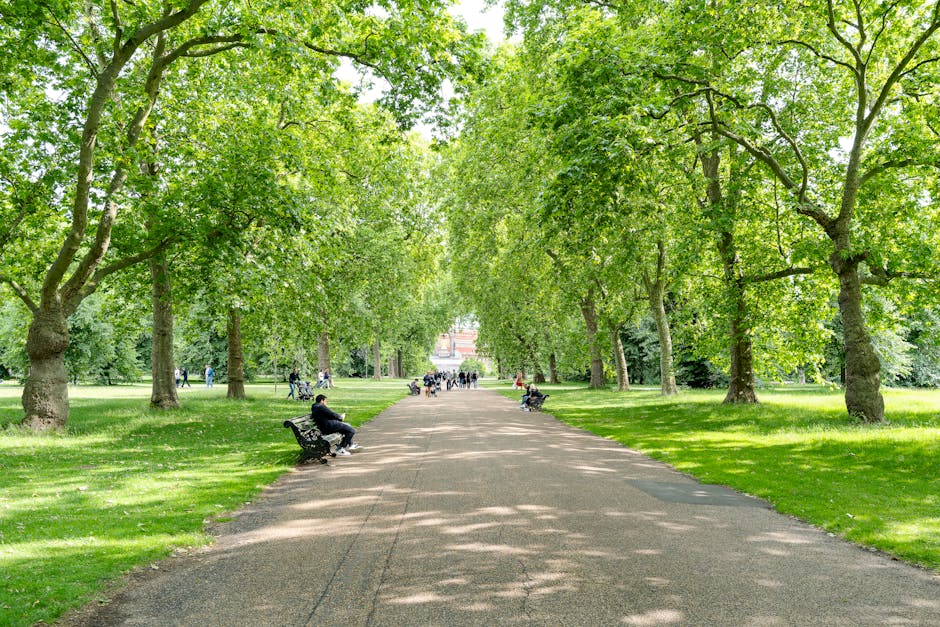
Best gardeners for Morden Hall Park gardens: how to choose the right team for beautiful, well-kept outdoor spaces
If you are looking for the Best gardeners for Morden Hall Park gardens, you are probably after more than a quick tidy-up. You want a team that understands planted borders, seasonal maintenance, lawn care, and the practical realities of keeping a garden looking calm, healthy, and cared for throughout the year. That can mean everything from pruning and planting to regular visits that stop small problems becoming expensive ones. And, to be fair, good garden work is often the kind you only notice when it is missing.
This guide explains what makes a gardener genuinely worth hiring for gardens around Morden Hall Park, how the service usually works, what to look for, and where people often go wrong. It also covers trust, safety, pricing, and the little details that matter when you want reliable results rather than guesswork.
For readers who want a broader view of services, it can also help to skim the services overview and the company background on about us before making a shortlist.
Table of Contents
- Why Best gardeners for Morden Hall Park gardens Matters
- How Best gardeners for Morden Hall Park gardens Works
- Key Benefits and Practical Advantages
- Who This Is For and When It Makes Sense
- Step-by-Step Guidance
- Expert Tips for Better Results
- Common Mistakes to Avoid
- Tools, Resources and Recommendations
- Law, Compliance, Standards, or Best Practice
- Options, Methods, or Comparison Table
- Case Study or Real-World Example
- Practical Checklist
- Conclusion
- Frequently Asked Questions
Why Best gardeners for Morden Hall Park gardens Matters
Morden Hall Park is the sort of local setting that makes people notice detail. A hedge that has gone shaggy, a lawn with patchy edges, or borders that have slipped into weeds stands out quickly. Gardens near this area often need consistent care because the look of the space matters just as much as the function. You are not only maintaining plants; you are protecting the feel of the property.
The right gardener brings structure. They know when to cut back, when to leave growth alone, and when a quick tidy would actually do more harm than good. That judgment matters. One over-zealous prune can spoil a shrub for a season. One missed visit can let a small job turn into a bigger one. It happens more than people think.
There is also the local reality of London gardens: compact access, mixed soil conditions, busy schedules, and neighbours close by. A reliable gardener understands how to work neatly, communicate clearly, and leave a space better than they found it. Simple idea. Harder to do well.
If you are comparing providers, pay attention to how they explain their process. Good firms are usually happy to discuss the work in plain English, whether that is regular maintenance, a one-off clearance, planting, or seasonal care. If they are vague at the start, that rarely improves later.
How Best gardeners for Morden Hall Park gardens Works
In practical terms, choosing the best gardener for this area is about matching the service to the garden, not just the postcode. A mature garden with established shrubs needs a different rhythm from a smaller front garden or a family space that gets a lot of foot traffic. The best results usually come from a short assessment, a clear plan, and a regular routine.
Most professional gardeners will begin by looking at the size of the garden, the condition of the lawn and beds, the amount of pruning needed, and any access issues. They may also ask how you use the space. Do you want a tidy outdoor room? A wildlife-friendly garden? Low-maintenance beds? The answer changes the work.
From there, they will suggest either a one-off visit or recurring maintenance. For many homes, the best approach is a mix: a deeper seasonal visit, then smaller maintenance visits to stay on top of growth. That keeps the job manageable and avoids the "nothing for weeks, then chaos" cycle that so many gardens fall into. You know the one.
It also helps to understand the difference between gardening and landscaping. Gardening is usually ongoing care: mowing, edging, pruning, weeding, feeding, deadheading, planting, and general upkeep. Landscaping is more about changing the structure of the garden. Some teams do both, some specialise. Not the same thing, and confusing them can lead to mismatched expectations.
Key Benefits and Practical Advantages
Hiring the right gardener is not just about convenience. It can improve the condition, appearance, and long-term health of the garden. The most noticeable benefits tend to be practical rather than glamorous, which is exactly as it should be.
- Healthier planting through timely pruning, feeding, and disease checks.
- Cleaner presentation with sharper borders, better lawn edges, and controlled growth.
- Less stress because jobs are handled before they become urgent.
- Better seasonal timing for planting, cutting back, mulching, and feeding.
- Improved garden usability if you want a space that feels ready to enjoy.
- More predictable upkeep through scheduled visits rather than rushed last-minute work.
There is also a financial angle, even if people do not always think about it that way. A well-kept garden is easier to manage, and regular attention often prevents expensive remedial work later. A lawn that has been neglected for months may need much more than a mow. Beds that have filled with weeds may need a full reset. Small tasks, done regularly, are usually kinder on the budget.
For anyone trying to balance quality and value, the pricing page can help frame expectations before you request a visit. See pricing and quotes for the sort of information worth asking about.
Expert summary: the best gardeners are not always the ones who do the most. They are the ones who do the right work, at the right time, with enough care to keep the garden stable over the long term.
Who This Is For and When It Makes Sense
This kind of service makes sense for a wide range of people, but the need usually falls into a few familiar groups.
Homeowners who want a tidy, manageable garden
If you want your garden to look cared for without spending every weekend on your knees with a trowel, a regular gardener is a sensible choice. This is especially true where the garden has mature planting, hedges, or a lawn that needs more than casual attention.
Landlords and property managers
A garden can shape first impressions fast. For rental properties, consistent upkeep helps keep outdoor areas presentable and avoids complaints. It also reduces the awkward "this will need doing before the next viewing" scramble. Been there, regretted that.
Busy families and older residents
Some people simply do not have the time or physical energy to stay on top of a garden. The right gardener takes that pressure off while still keeping the space safe and usable.
People planning seasonal improvements
If your garden needs a reset before spring, a tidy-up after a heavy summer, or preparation for colder months, a gardener can make the work feel manageable. That is often when professional help pays for itself in saved time and better timing.
It also makes sense if you are not sure what your garden needs. A good gardener can help you identify whether the problem is lack of maintenance, poor soil, overgrown structure, or planting that simply does not suit the site. Quite often, it is a mix.
Step-by-Step Guidance
If you are choosing gardeners for Morden Hall Park gardens, a calm, structured approach usually gives the best result.
- Define the outcome. Decide whether you want maintenance, clearance, planting, pruning, or a combination. Be clear about the end result you want, not just the tasks.
- Walk the garden mentally. Make notes on areas that worry you: weeds, hedge height, lawn condition, drainage, overgrown shrubs, or dead patches.
- Check service scope. Look at what the gardener actually offers. A broad service overview should help you spot whether they are a fit for your garden type.
- Ask about experience with similar gardens. Mature borders, compact urban plots, wildlife-friendly spaces, and family gardens all need different handling.
- Discuss access and logistics. Can equipment be brought through the side gate? Is there a water supply? Are there bins or compost areas to work around?
- Request a clear quote. Good quotes should explain scope, timing, and any assumptions. If something sounds vague, ask again.
- Confirm practical trust points. Insurance, safety procedures, payment clarity, and terms matter more than people expect. Not exciting, perhaps, but essential.
- Start with a first visit. A trial or initial clean-up often shows how the gardener works before you commit to ongoing visits.
- Review the results after the first job. Check neatness, communication, and whether the work matches the original brief. It is easier to refine early than later.
A small but useful tip: keep a note on your phone of what you want next time. Garden memory is funny like that. You see a patch of weeds in May, forget about it by July, and then wonder why it came back with a vengeance.
Expert Tips for Better Results
In our experience, the best garden results usually come from a combination of clarity, routine, and restraint. A few practical points make a real difference.
- Ask for seasonal thinking, not just task lists. The best gardeners explain why they are doing something now rather than just getting on with it.
- Prefer neat, repeatable maintenance. Regular light care is often better than heavy catch-up jobs.
- Choose gardeners who notice detail. Look for comments about edges, drainage, plant spacing, or soil condition. Those small observations matter.
- Be honest about your budget. A good gardener can often prioritise the highest-value work first.
- Let the garden breathe a little. Not every corner needs to be forced into symmetry. Sometimes the best result is tidy, natural, and slightly less perfect than a magazine spread. That's fine.
- Ask how waste is handled. Green waste removal and recycling practices can be important, especially after larger clearances.
It can also help to think in terms of rhythm. A garden usually behaves better when it is touched regularly rather than attacked occasionally. That sounds obvious, but it is one of the main differences between a garden that stays pleasant and one that constantly needs rescue.
If sustainability matters to you, the recycling and sustainability page is worth a look. It gives you a sense of how garden waste and environmental responsibility can be handled thoughtfully.
Common Mistakes to Avoid
People often choose the wrong gardener for all the wrong reasons. Usually, it is not because they are careless. It is because they are busy and trying to move quickly.
- Choosing on price alone. The cheapest quote may leave out essential work or assume a lighter workload than your garden actually needs.
- Being unclear about the brief. "Just tidy it up" can mean five different things to five different gardeners.
- Ignoring insurance and safety. If a team is working with tools, ladders, or powered equipment, those basics matter.
- Skipping the first inspection. A brief visit or detailed conversation often prevents later misunderstandings.
- Assuming all gardeners do the same work. Some focus on maintenance, some on pruning, some on planting, some on wider property care.
- Not checking the follow-up plan. A one-off cleanup can look great, but what happens in four weeks? That part matters.
Another common one: asking for a quick fix on a garden that really needs a staged plan. If a space has been neglected for a while, the right approach may be to clear, cut back, assess, then replant or reset. Not everything should happen in one heroic afternoon. Gardens are patient. Humans less so.
Tools, Resources and Recommendations
You do not need to be a gardening expert to judge good work, but it helps to understand the basics of what a professional gardener may use and why.
Useful tools and methods
- Hand tools for careful pruning, deadheading, weeding, and edging.
- Lawn care equipment for mowing, strimming, and border finishing.
- Secateurs and loppers for controlled cuts on shrubs and smaller woody growth.
- Rakes and forks for clearing debris, aerating, and preparing beds.
- Mulch and compost to improve soil condition and moisture retention.
- Waste bags or collection systems for removing clippings and cuttings cleanly.
When assessing a gardener, what matters is not just the tools themselves but how they are used. A sharp pair of secateurs in careful hands beats a noisy, rushed approach every time.
For practical next steps, you may want to review pricing and quotes, then compare that with what is covered in services overview. That combination usually gives enough structure to make a sensible decision.
If you are looking for reassurance around payments and booking, the payment and security information can be helpful too. It is one of those pages people often skip until the last minute, then wish they had read earlier.
Law, Compliance, Standards, or Best Practice
For garden services, compliance is less about dramatic paperwork and more about sound professional habits. In the UK, customers should expect safe working practices, clear communication, sensible use of equipment, and honest handling of waste and payment. If a gardener is working at height, using powered tools, or clearing bulky material, those activities should be managed carefully.
It is also reasonable to expect a provider to have appropriate insurance and to be able to explain how they manage risks. That does not need to be complicated, but it should be clear. If something goes wrong, you want to know there is a process, not just a shrug.
The pages on health and safety policy and insurance and safety are useful reference points if you are comparing providers and want a better sense of professional standards.
Best practice also includes respectful handling of waste, thoughtful recycling where possible, and straightforward complaints handling if something needs correcting. That is simply part of being a decent service provider. Nothing fancy. Just proper.
For additional trust details, you can also review the complaints procedure, the terms and conditions, and the privacy policy. These pages help you understand what to expect before the first visit is booked.
Options, Methods, or Comparison Table
Different garden situations need different approaches. Here is a simple comparison to help you think clearly about what kind of gardener or service arrangement may suit you best.
| Option | Best for | Typical strengths | Watch-outs |
|---|---|---|---|
| One-off tidy-up | Overgrown or neglected gardens | Fast visual improvement, useful reset | May not solve recurring maintenance issues |
| Regular maintenance visits | Homes that need ongoing care | Consistent results, easier planning, less stress | Needs clear scheduling and scope |
| Seasonal garden care | Gardens that change a lot through the year | Good timing for pruning, planting, and clearing | Can be too infrequent if growth is strong |
| Planting and bed refresh | Tired borders or blank areas | Improves appearance and structure | Needs suitable plant choices and aftercare |
| Full garden overhaul | Spaces needing major change | Can transform layout and usability | More planning, higher cost, more disruption |
As a rule, if you are unsure, start with maintenance or a one-off assessment. That gives you a feel for how the gardener works and whether the garden responds well to their approach.
Case Study or Real-World Example
Imagine a small family garden near Morden Hall Park. It has a lawn that has become uneven at the edges, a few shrubs that have started leaning into the path, and borders where weeds are making themselves far too comfortable. Nothing dramatic. Just the sort of garden that quietly nags at you every time you step outside.
A good gardener would probably not rush straight in with heavy cuts. They would first identify what needs immediate attention: edging, weed removal, basic pruning, and perhaps a careful lawn tidy. Then they would look at what should wait until the correct season, such as deeper cutting back or planting changes. That is the kind of judgement that separates a quick fix from proper care.
After the first visit, the garden would look clearer, but more importantly, it would have a plan. The owner could then choose whether to keep the space on a regular maintenance schedule or book seasonal visits. The result is calmer, more predictable, and usually much more satisfying than doing it in bursts whenever the mood strikes.
Truth be told, that is how many good gardens stay good: not through drama, but through steady attention.
Practical Checklist
Use this simple checklist before hiring a gardener for your Morden Hall Park garden.
- Have I defined what I want done, not just what I want removed?
- Do I know whether I need one-off work or regular visits?
- Have I checked the gardener's service scope?
- Have I asked about experience with similar gardens?
- Is the quote clear about what is included?
- Have I asked how waste will be handled?
- Do I understand the payment process?
- Have I reviewed insurance and safety information?
- Do I know who to contact if I have a concern later?
- Am I happy with the communication style and reliability?
That last point matters more than many people expect. Good communication saves time, avoids mistakes, and makes the whole process feel easier. Which, after all, is part of the point.
Conclusion
Choosing the Best gardeners for Morden Hall Park gardens is really about finding a team that combines skill, reliability, and a sensible eye for detail. The best fit will understand your garden's condition, respect your priorities, and work in a way that keeps the space healthy rather than merely tidy for a day or two.
If you want a stronger result, think beyond "who can come quickest?" and focus on experience, clarity, safety, and fit. Ask questions, compare what is included, and look for a professional approach that feels steady and straightforward. That tends to produce the kind of garden you actually enjoy using.
Get a free quote today and see how much you can save.
When the right gardener is in place, the whole garden feels lighter somehow. Less effort. Less worry. More room to enjoy the small things, which is often the best part.
Frequently Asked Questions
What should I look for in the best gardeners for Morden Hall Park gardens?
Look for clear communication, relevant experience, insurance, safe working practices, and a service that matches your actual garden needs. Good gardeners explain what they will do and why.
Do I need a one-off tidy-up or regular garden maintenance?
If your garden is overgrown or needs a reset, start with a one-off visit. If you want the space to stay neat and healthy, regular maintenance is usually better value over time.
How do I compare gardeners fairly?
Compare scope, reliability, safety, communication, and what is included in the quote. Price matters, but it should not be the only factor.
Are gardeners able to help with seasonal pruning and planting?
Yes, many gardeners can assist with seasonal tasks such as pruning, mulching, planting, border refreshes, and general preparation for spring or autumn.
What questions should I ask before booking?
Ask about experience, waste removal, insurance, timing, access, payment, and whether they offer one-off or regular visits. Simple questions, but very useful ones.
How much should I expect to pay for garden services?
Costs vary based on garden size, condition, frequency of visits, and the type of work required. A proper quote is the safest way to understand likely costs.
Can a gardener help if my garden has been neglected for months?
Yes. In fact, this is a common reason people seek help. A good gardener can break the work into stages so the garden becomes manageable again.
Why does insurance matter for gardening work?
Because garden work can involve tools, ladders, and physical tasks. Insurance provides reassurance that the provider is working professionally and responsibly.
What is the difference between gardening and landscaping?
Gardening usually means ongoing care and maintenance. Landscaping is broader and often involves redesigning, building, or reshaping the garden's structure.
How can I tell if a gardener is genuinely professional?
Professional gardeners are clear, punctual, and specific. They do not overpromise, and they are happy to explain how they work, how they price, and what happens if there is an issue.
Is sustainability something I should ask about?
Yes, especially if waste handling and recycling matter to you. A gardener who thinks carefully about recycling and sustainability is often more organised in other parts of the job too.
What is the best next step if I want to get started?
Start by reviewing the services, checking the quote process, and making first contact with a clear description of your garden. A good first conversation makes the rest much easier.